It’s easy to push an oil change back. The car still starts, it still drives, and nothing feels urgent. Then one day you notice a new sound, a new smell, or a warning light that was not there before.
Skipping oil changes does not punish you right away. It builds quietly, mile after mile, until the oil can’t protect like it used to. Here’s what can happen when the interval stretches too far, and why the damage is not always obvious at first.
Why Oil Changes Matter More Than The Sticker Suggests
Engine oil does more than lubricate. It also carries heat away from moving parts, keeps tiny contaminants suspended until the filter catches them, and prevents metal-on-metal contact in places you will never see. Over time, oil breaks down from heat cycles, moisture, and combustion byproducts.
Modern engines can be hard on oil. Stop-and-go driving, short trips, towing, long idle time, and extreme temperature swings all shorten oil life. That is why the same mileage number can be fine for one driver and too long for another.
Symptom Timeline: What You May Notice First
When oil is overdue, the earliest signs are usually subtle. You might notice the engine sounds a little louder on a cold start. You may see the oil level dropping faster between changes, especially on higher-mileage engines.
As time goes on, you can get rougher idle, slower throttle response, and a feeling that the engine is working harder than it should. In more severe cases, you may see an oil pressure warning, a burning oil smell, or smoke from oil hitting hot surfaces. By the time those show up, the oil has often been struggling for a while.
What Dirty Oil Does Inside The Engine
Oil starts clean, then gradually loads up with microscopic debris. Some of that debris is normal wear material. Some comes from combustion gases that slip past piston rings. Moisture also collects, especially when the engine does not stay hot long enough to evaporate it.
As the oil degrades, it loses its ability to maintain a protective film. That means bearings, cam lobes, timing components, and other high-friction areas see more wear. Oil passages can also start to narrow as deposits build, which reduces flow where the engine needs it most.
We’ve seen engines where the oil looked fine on the dipstick, yet the oil inside the engine was thick and dirty because it had been pushed beyond its useful life.
Sludge, Heat, And The Expensive Chain Reaction
Sludge is what happens when oil contamination and heat cook the oil into thicker deposits. Sludge can settle in the valve cover area, clog oil pickup screens, and restrict oil return passages. Once oil flow is restricted, heat rises, and wear accelerates.
This is where a skipped oil change can turn into multiple problems at once. Timing components can wear faster because they rely on consistent oil pressure. Variable valve timing systems can act up because they use oil pressure to control timing. Turbocharged engines can be especially sensitive because turbos run hot and depend on clean oil for cooling and lubrication.
Owner Habits That Make Oil Break Down Faster
Some driving patterns shorten oil life, even if the mileage is not high. If these sound familiar, your engine may need shorter intervals.
- Lots of short trips where the engine does not fully warm up
- Long idle time, especially in traffic or during work use
- Heavy loads, towing, or frequent hill driving
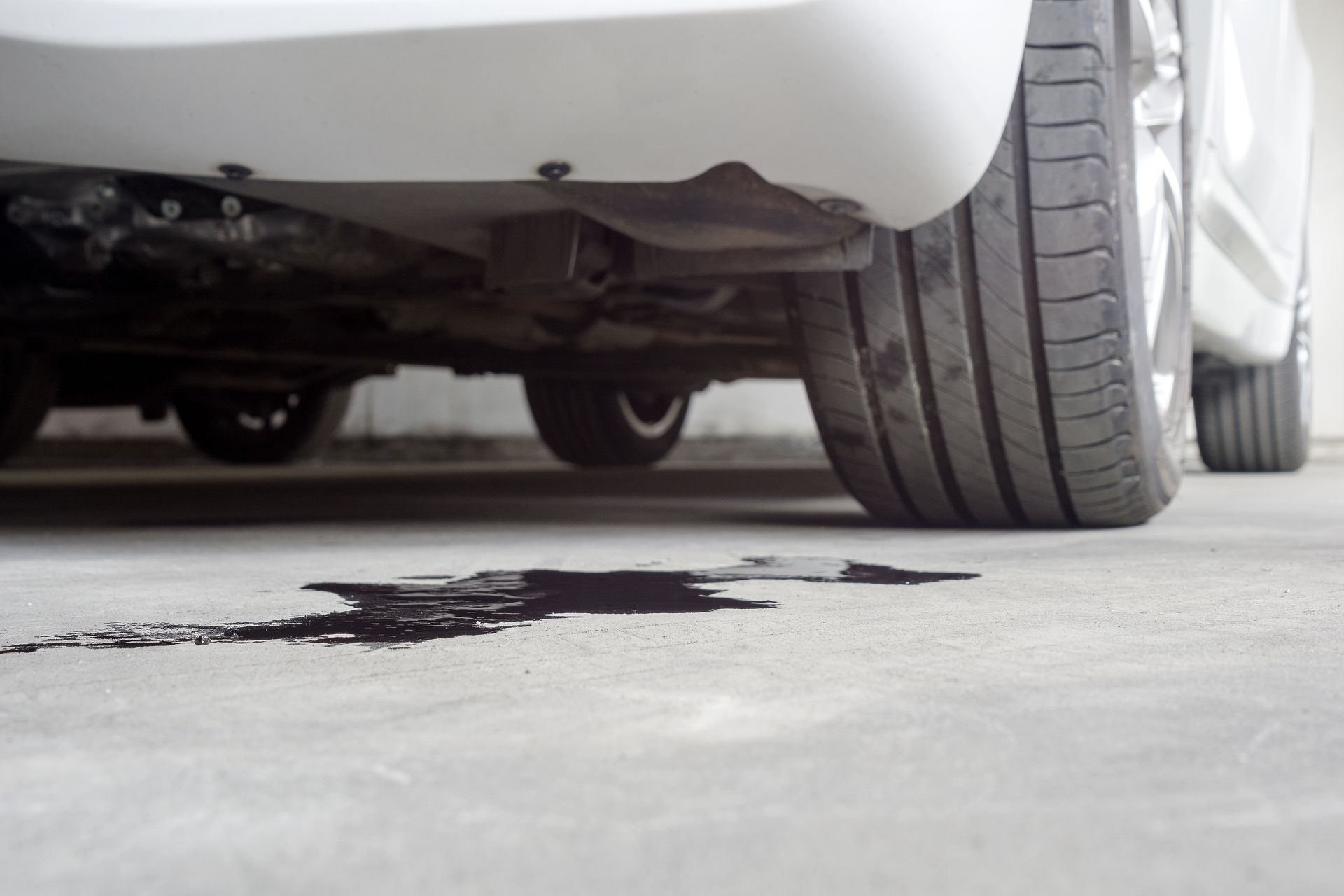
- Ignoring small oil leaks and topping off instead of fixing them
- Waiting past the interval because the oil still looks acceptable on the dipstick
None of these automatically means the engine is in trouble. They do mean oil has a tougher job, so staying ahead of service matters more.
After The Oil Change: How To Help The Next Interval Last
Once the oil is fresh, keep an eye on two things: level and leaks. Low oil level is a fast track to wear, even with fresh oil, because there is less oil available to carry heat and protect bearings.
It also helps to match the oil type and viscosity to what the engine calls for. Using the wrong viscosity can affect oil pressure and protection. If your driving is mostly short trips or heavy use, it can be worth shortening the interval so the oil stays in its effective range instead of trying to stretch it.
Get Oil Change Service in Sioux Falls, SD, with SWT Total Car Care
We will inspect your oil condition, check for leaks or consumption, and get you on an oil change schedule that fits how you actually drive.
Call
SWT Total Car Care in Sioux Falls, SD, to schedule service and protect your engine from the slow damage that comes from overdue oil.